


OPENING NOTE 🎼
Welcome — hope you had a great weekend!
Last week opened with Cannes launching in full cinematic fashion: a Beatles cover, a custom Miri Ben-Ari violin score, and the global film business descending on the Croisette.
Closer to home, the Guild of Music Supervisors gathered Saturday at Position Music in Burbank for its annual Member Summit — another reminder that the sync community continues to organize around relationships, education, and deal flow even as the broader business shifts underneath it.
Meanwhile, consolidation continues to accelerate across music rights. Sony moved to acquire Recognition Music Group, BMG and Concord advanced merger plans, UMG finalized its Downtown Music acquisition, and Pershing Square’s $63.5 billion UMG bid remains active. The larger story: control of high-performing catalogs — and the leverage that comes with them — is concentrating quickly.
On the AI front, the UK’s BPI delivered one of the clearest policy arguments yet for a structured AI licensing economy, while companies across music and tech continued drawing sharper lines between licensed AI training and unlicensed ingestion. At the same time, executive reshuffling continued across publishing, finance, and live representation as companies position for a very different second half of 2026.
AMM WEEKLY PLAYBACK🔥
💰 CATALOG & DEAL FLOW
💰Sony scoops up Recognition

Sony Music Publishing confirmed its agreement Monday to acquire Blackstone’s Recognition Music Group — the former Hipgnosis Songs Fund catalog of 45,000+ songs, including “Don’t Stop Believin’,” “Single Ladies,” “Under the Bridge,” “Bad Romance” and “Hallelujah.” This includes works by Beyoncé, Fleetwood Mac, Bruno Mars, Lady Gaga, Rihanna, Bon Jovi, Soundgarden, Red Hot Chili Peppers, Eurythmics, and more under SMP’s roof.
Reported price runs $2B–$4B depending on the outlet. Translation: an enormous chunk of the sync-active classic canon now lives under one roof.
The transaction reunites Recognition with Hipgnosis Songs Group, which SMP bought in 2025 — consolidating what was once the most aggressive independent publishing buyer of the early 2020s under one roof.
Why it matters: a huge slice of the most-licensed catalog in pop history just moved from a financial owner to a strategic one — expect SMP to push these works harder into sync, brand, and AI-licensing pipelines.
💰Paramount + Warner Music Group go first-look
A multi-year theatrical deal announced last week opens the WMG catalog — Bowie, Cher, Fleetwood Mac, Aretha, Led Zeppelin, Madonna, Joni Mitchell, Charli xcx, Coldplay, Dua Lipa, Cardi B and more — for scripted and animated film development through WMG’s Unigram (Amanda Ghost, Gregor Cameron). No titles have been announced yet, but the deal signals continued studio appetite for music-driven IP development and catalog-based storytelling.

💰WMG sync revenue dips
Warner’s calendar Q1 2026 print showed synchronization revenue at $50M, down 2% YoY at constant currency, even as total revenue grew 12.1%. A small but rare contraction worth watching for pricing pressure signals.
💰BMG buys Jet’s publishing

BMG closed on the publishing interests of Nic Cester, Cam Muncey and Mark Wilson — expanding its 2023 recordings deal. ANZ/SEA president Heath Johns called out Jet’s “global sync track record of the rarest order.” “Are You Gonna Be My Girl” remains a trailer-house workhorse.
💰Primary Wave x Pete Townshend
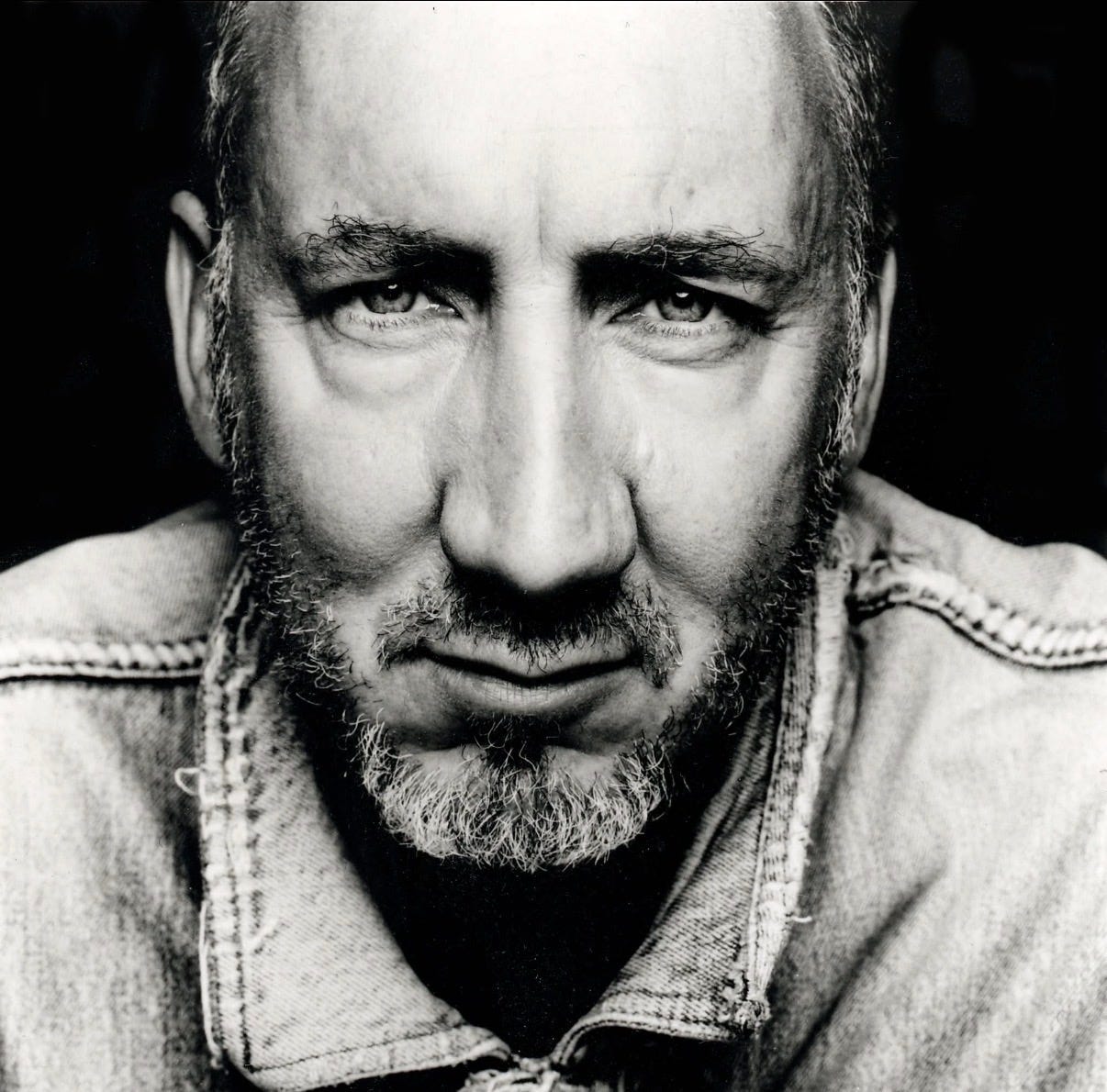
Variety reports a $100M+ partnership covering “certain music rights,” NIL, and future creative projects from The Who co-founder. Larry Mestel’s team is already lining up sync exploitation around “Baba O’Riley,” “Won’t Get Fooled Again” and the Tommy/Quadrophenia universes.
📡 AI + TECHNOLOGY

📡 Suno reportedly closing a Series D at a $5B valuation (double its November mark) while ElevenLabs disclosed $500M ARR and an $11B raise alongside BlackRock, NVIDIA’s NVentures, Jamie Foxx and Hwang Dong-hyuk. Eleven Music’s Merlin/Kobalt licensing posture is making it the most “supervision-safe” option of the bunch.
📡 Sony’s pending summer fair-use ruling against Suno and Udio is the next major shoe to drop — and the BPI report has now given UK policy a clean script to follow regardless of outcome.
📡 The BPI released a major new report on May 14, “Driving UK Growth: The Role of Licensing Music in the Age of AI,” arguing the UK is “on the cusp of an AI licensing boom” if the government maintains existing copyright law, mandates transparency of AI training data, and asserts UK legal sovereignty over models deployed in the country.
The report tallies 274 commercial AI licensing deals struck globally by rightsholders, 26 of them music-specific (with Suno, Udio, Klay Vision, Stability AI, Nvidia, ElevenLabs, Spotify, ElevenLabs, BandLab, Google and others), and finds 16% of BPI indie label members are already exploring AI licensing partnerships, with 77% open to licensing for “ethical use by AI”.

📡 Two new academic studies (Stanford/Reed; Kiel/Hamburg) found listeners engage less and are willing to pay less when music is labeled “AI-composed” — even when the music itself is identical. The findings give the industry some of its first measurable data around consumer skepticism toward AI-generated music and perceived creative value.

📡 Tencent Music’s leadership publicly accused competitors of flooding catalogs with infringing AI content this week — a sharper tone than anything Western majors are saying on the record.

📡 Believe + TuneCore officially partnered with Google’s Flow Music (powered by Lyria 3 Pro), offering generative tools to artists while simultaneously blocking unlicensed AI uploads. The distinction between licensed AI ecosystems and unlicensed ingestion is quickly becoming operational — not theoretical.
💼 RIGHTS + REGULATION + LEGISLATION

💼 Kanye West lost his legal battle on May 13 over an uncleared sample on a version of his “Donda” track “Hurricane” that was played at one of his 2021 listening parties . Notable for supervisors and brand teams: listening events are not exempt from clearance.

💼 The UK government confirmed in the May 13 King’s Speech that promised ticket-touting ban legislation will only be drafted this year, not passed . Live economics — which fund tour-adjacent sync and brand budgets — remain in limbo.
🎬📺 FILM + TELEVISION
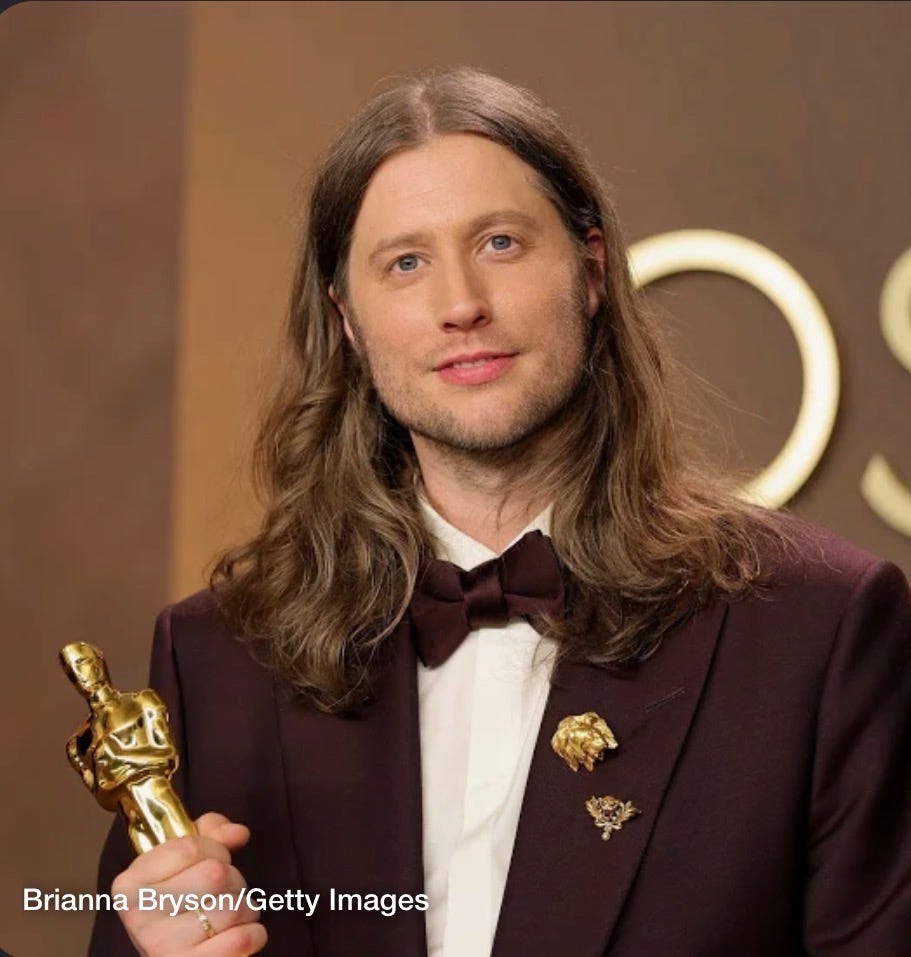
🎬📺Göransson lands his first Star Wars feature “The Mandalorian and Grogu”
Walt Disney Records released full details for The Mandalorian and Grogu, with Ludwig Göransson scoring his first Star Wars theatrical release. Digital arrives today, followed by a helmet-shaped 10” die-cut vinyl on May 22 and a standard 12” release June 5. One of the week’s highest-profile soundtrack launches.
🎬📺 CBS’s “Marshals” Soundtrack

CBS’s “Marshals” approaches its season finale May 24, with Brian Tyler and Breton Vivian’s score and Kevin Edelman’s music supervision continuing the Yellowstone-universe sound system. The “Marshals” Season 1 Original Soundtrack was released digitally on March 6, 2026 under Milan Records — and renewed for Season 2 before Season 1 finished airing. Procedural-meets-prestige scoring is now a stable category.
🎬📺 Apple TV+ Music Supervision

Apple TV+‘s Margo’s Got Money Troubles, music-supervised by Ciara Elwis, is drawing attention for placements from Hotwax, Clairo, Dire Straits, and Rico Nasty — with Robyn’s “Blow My Mind” anchoring the opening credits and Shania Twain’s “Man! I Feel Like a Woman” used as a key character cue. A textbook example of indie + legacy needle-drop balancing on a prestige half-hour.
🎬📺 Netflix’s “Legends” Score & 90’s Soundtrack

Netflix’s Legends (premiered May 7) continued to pick up critical traction. The score was composed by Sion Trefor (Say Nothing, Toxic Town), with director Brady Hood building the soundtrack around 1990s tracks from The Stone Roses, Happy Mondays, Depeche Mode, The Cure, Manic Street Preachers, EMF, and Cocteau Twins — using a method where each actor sent two songs to define their character. A useful model for period sync.
📺💰 ADVERTISING
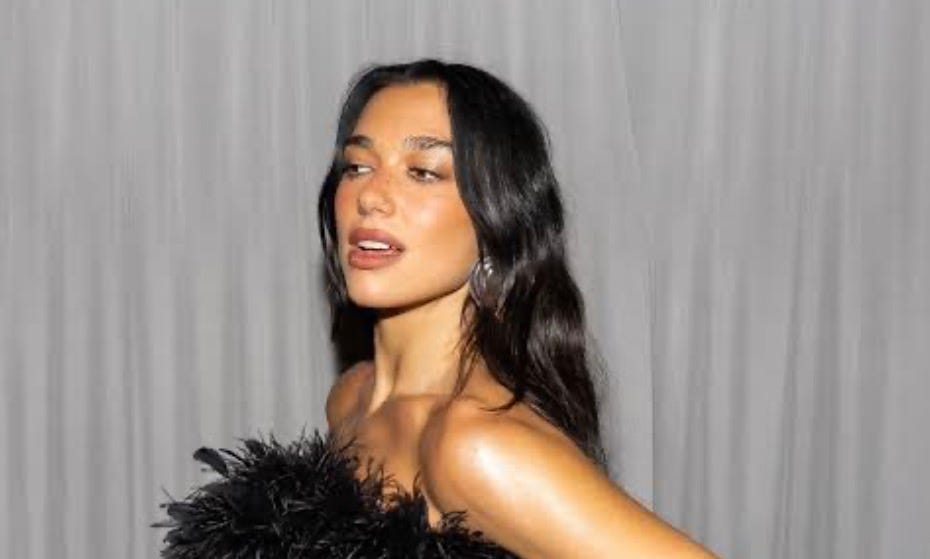
📺💰Dua Lipa filed a $15M lawsuit against Samsung on May 11, alleging unauthorized use of her image on retail TV packaging across the US, with copyright, Lanham Act, and California right-of-publicity claims. Samsung responded May 12, stating the image came from a free streaming service content partner who provided “explicit assurance that permission had been secured, including for the retail boxes” . Why it matters for music-for-media: every brand using artist likeness or sound-alikes through a partner chain just got a reminder that downstream usage is not a legal shield.
➡️ EXECUTIVE MOVES

➡️ BMG and Concord named Björn Bauer CFO of the merged music company on May 12, effective at deal close. The combined entity, operating under the BMG name will be the de facto fourth major. Finance leadership is now in place ahead of closing in H2 2026.
The merger, expected to close in H2 2026, will operate under the BMG name with Concord’s Bob Valentine as CEO. Finance leadership for what will effectively be the industry’s fourth major is now set.
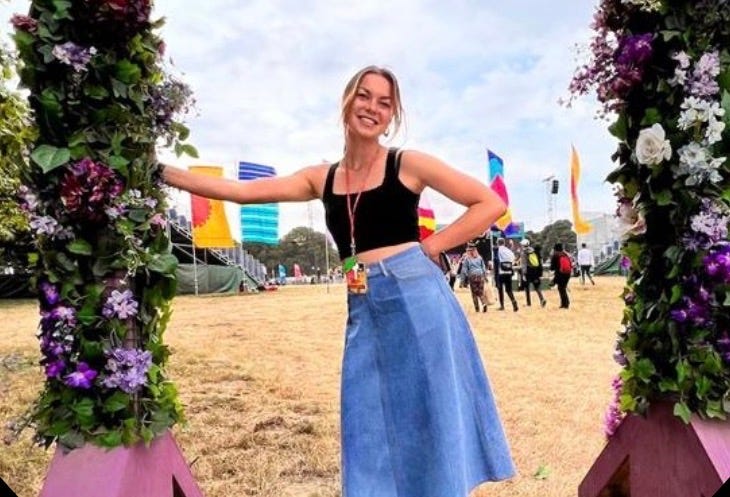
➡️ WME made several changes to its London music team on May 14, adding Jana Recmanikova as an agent in the London contemporary music department, and elevating Kath Butler and Giulia Spadaro to agent roles. Recmanikova joins the international festival team from Festival Republic, where she spent nine years working on Reading & Leeds, Gunnersbury Park, and Finsbury Park.
🥂INDUSTRY
🥂 Cannes Film Festival — Opening Week
The 79th Festival de Cannes opened May 12 with Pierre Salvadori’s The Electric Kiss and a stacked music ceremony. Grammy-winning violinist Miri Ben-Ari composed a specially written score for the opening remarks by host Eye Haïdara . Theodora and Oklou performed a cover of The Beatles’ “Get Back” — a nod to Peter Jackson’s documentary series The Beatles: Get Back, after Jackson received an Honorary Palme d’Or . Park Chan-wook is jury president.

🥂Marché du Film’s Spot the Composer program ran May 15–18, hosting 10 international film composers for curated one-on-ones with directors and producers seeking original scores. Eiko Ishibashi (Drive My Car, Evil Does Not Evil Exist) was the key speaker of “Composing Without Borders: Film Music on the International Stage,” the main panel of this year’s Spot the Composer . The Marché also launched a new Composers on the Rise pilot program with Nainita Desai mentoring five early-career composers.
🥂31 Marché du Film sessions in 2026 mentioned AI, up from 21 in 2025 — including a two-day “AI for Talent Summit” running May 15–16 . The framing has shifted from “what is AI” to operational questions like synthetic voice licensing and AI-agent sales workflows.
🥂 The Guild Of Music Supervisors Member Summit
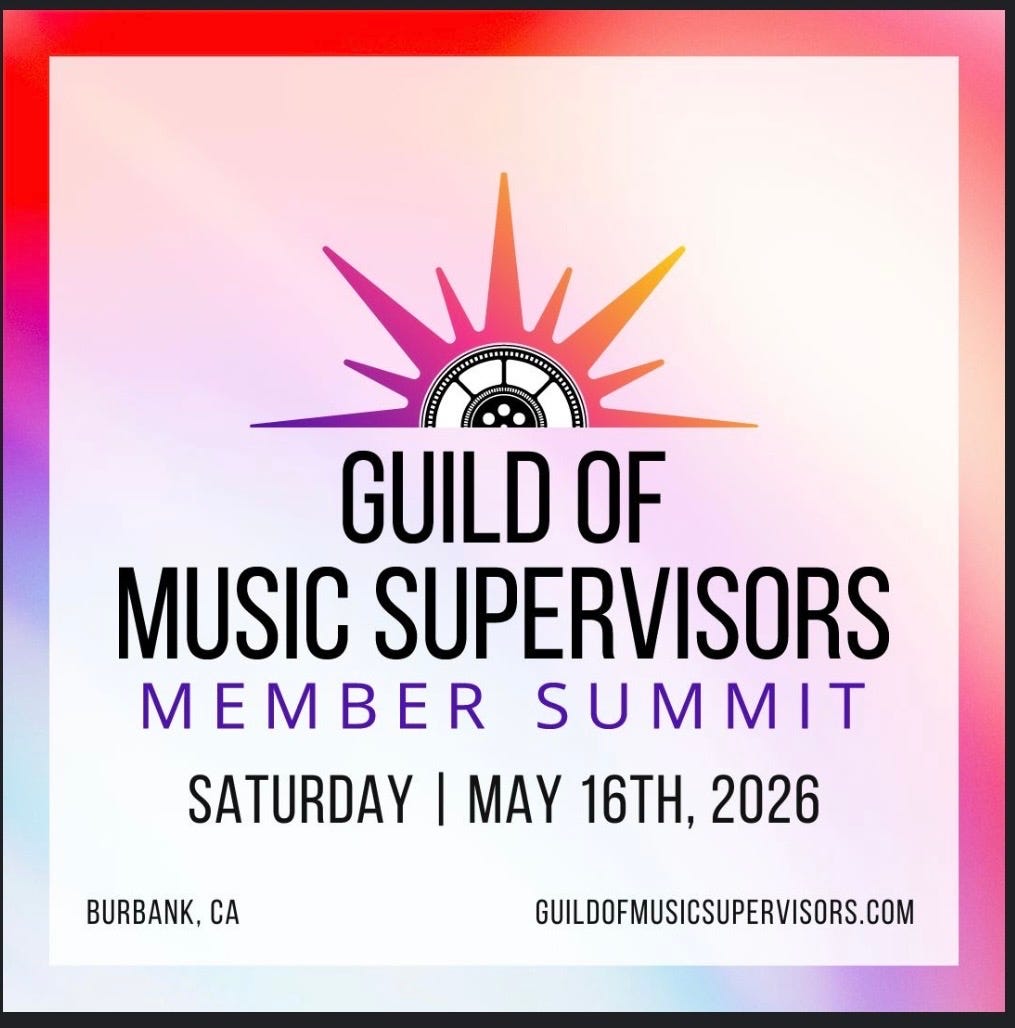
The Guild of Music Supervisors held its Member Summit on Saturday, May 16, hosted at Position Music in Burbank. The half-day summit focused on professional development, networking, and craft, building on the Education Committee’s expanded programming. Hosted at Position — one of the industry’s most active independent sync and publishing companies — is notable: it reinforces Position’s continued positioning as a creative hub for the supervisor community.
AMM Take: this event for music supervisors at a sync-forward independent’s HQ is a healthy signal at a moment when major-publisher consolidation is reshaping clearance dynamics.
👀 Worth Watching
👀 Sony’s move on Recognition Music Group increases pressure on the remaining independent mega-catalog players — including Primary Wave, Reservoir, and Round Hill — as large-scale rights consolidation continues accelerating. The next phase may not simply be acquisition volume, but who can most effectively monetize catalogs across sync, branding, gaming, AI licensing, and global media pipelines.
👀 The BPI’s AI transparency push could quickly become a reference point for U.S. lobbying efforts as the industry waits for summer rulings in Sony’s cases against Suno and Udio. Expect licensing infrastructure — not just litigation — to become the real battleground in the second half of 2026.
Editorial Disclaimer: AMM content is intended for editorial, informational, and educational purposes using publicly available sources, industry announcements, interviews, and reports believed to be reliable at the time of publication. If any information requires correction or updating, please contact us.