

AMM Playback: Sync News in 60 Seconds: June 23, 2026
Legends, a federal AI bill, and the brands becoming music-media operators. Sync is now almost a quarter of U.S. publishing revenue. One week of music-for-media news.

AMM Opening Note 🎼
Sadly, the industry lost a giant this week — Clive Davis at 94 — and we’re still absorbing the weight of it. The Senate moved on AI voice protection, the publisher/AI battle lines sharpened, a historic label relaunched, a hardware brand became a record label, the cue-sheet infrastructure that drives audiovisual royalties just got modernized, and across the pond in France, two of the most important sync convenings of the year are running side by side. Plus a few items from earlier in the month, we want to make sure you didn’t miss. Here’s your 60-second catch-up.
🌟 Clive Davis

Clive Davis dies at 94. The legendary music executive — former President of Columbia Records, founder of Arista Records and J Records — died peacefully at his Manhattan home on Monday, June 22. Over an unparalleled six-decade career, Davis signed, mentored, and revitalized generations of icons from Whitney Houston and Bruce Springsteen to Aretha Franklin, Carlos Santana and Alicia Keys. He remained Chief Creative Officer at Sony Music Entertainment through the end. The Clive Davis Institute of Recorded Music at NYU continues his teaching legacy.
Davis built the foundational pop, rock, and R&B publishing and master catalogs that anchor the modern global sync licensing ecosystem. But the catalogs are only half the story. He was one of the last of the great music men — an executive who came up when this was a relationship business and made sure it stayed one, even as the industry reinvented itself around him three or four times over. The posts pouring in from artists, songwriters, and executives all carry the same throughline: he listened, he fought for what he believed in, and he made the people he worked with better—a mentor in the truest sense, and a generational figure who will be deeply missed.
🌟 Bobby Prince
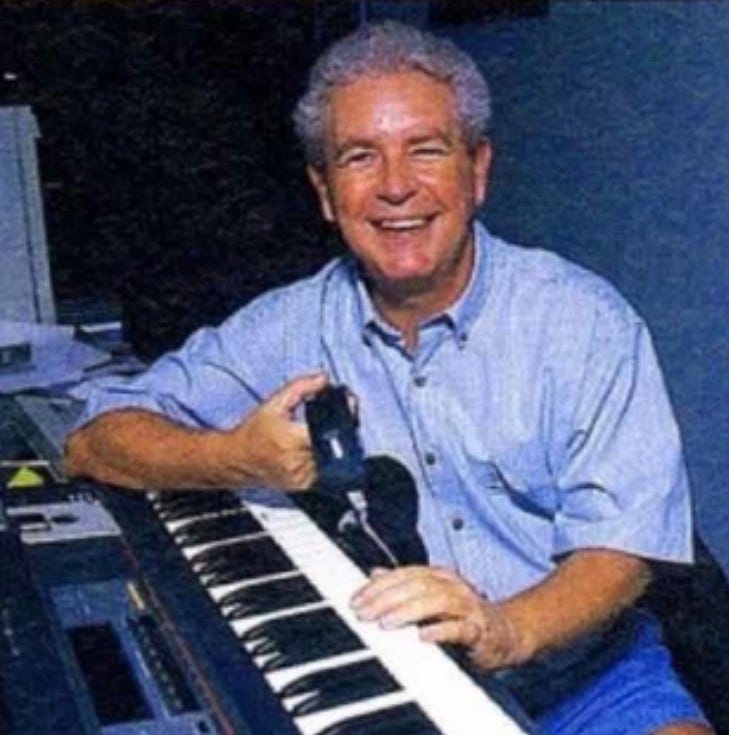
Gaming pioneer Bobby Prince dies at 81. The iconic composer behind seminal 1990s scores including Doom, Doom II, and Wolfenstein 3D passed away on June 16. His heavy-metal MIDI soundtracks pioneered dynamic, interactive audio in gaming media — work that was inducted into the Library of Congress’s National Recording Registry earlier this year. The catalog he leaves behind will keep getting placed, covered, and remixed for decades.
Before Prince, video game music was a novelty. After him, it was a craft. Working under brutal technical constraints — a handful of MIDI channels, severely limited memory, no orchestral budget — he proved that game scoring could carry the same emotional and atmospheric weight as anything on screen. A former practicing attorney who taught himself composition, Prince was the rare figure who built a foundational catalog without ever chasing the spotlight. The composers shaping today's prestige game audio — Mick Gordon, Gareth Coker, the entire FromSoftware school — all owe him a debt, and most of them have said so. His catalog will keep getting placed, covered, and remixed for decades. The field lost one of its quiet architects.
Sync Economics — The Big Number
U.S. publishing revenue hit $7.3B in 2025; sync represented 24%. Per NMPA data released at its June 10 annual meeting: performance royalties at 52%, sync at 24%, mechanicals at 19%, other at 5%. Total publishing revenue more than tripled from $2.17B in 2014. Why it matters: Sync isn’t niche anymore — it’s nearly a quarter of U.S. publishing revenue. Treat it like a core business, not bonus money. For any publisher, library, or rightsholder, this is the bullet to forward to anyone still treating sync as secondary.
UMG Q1 2026 sync revenue jumped 15.3% YoY. Universal Music Publishing Group's synchronization revenue reached $79.6 million in Q1 2026, up 15.3% in constant currency, driven explicitly by advertising, trailers, and motion picture income. Total UMPG revenue grew 7.0% in constant currency for the quarter; sync was the standout growth line. Why it matters: The world's largest publisher is reporting that ad, trailer, and film demand are not just holding — they're accelerating. The macro story behind the NMPA's 24% figure is being verified in real-time at the biggest balance sheet in the business.
Catalog + Deal Flow
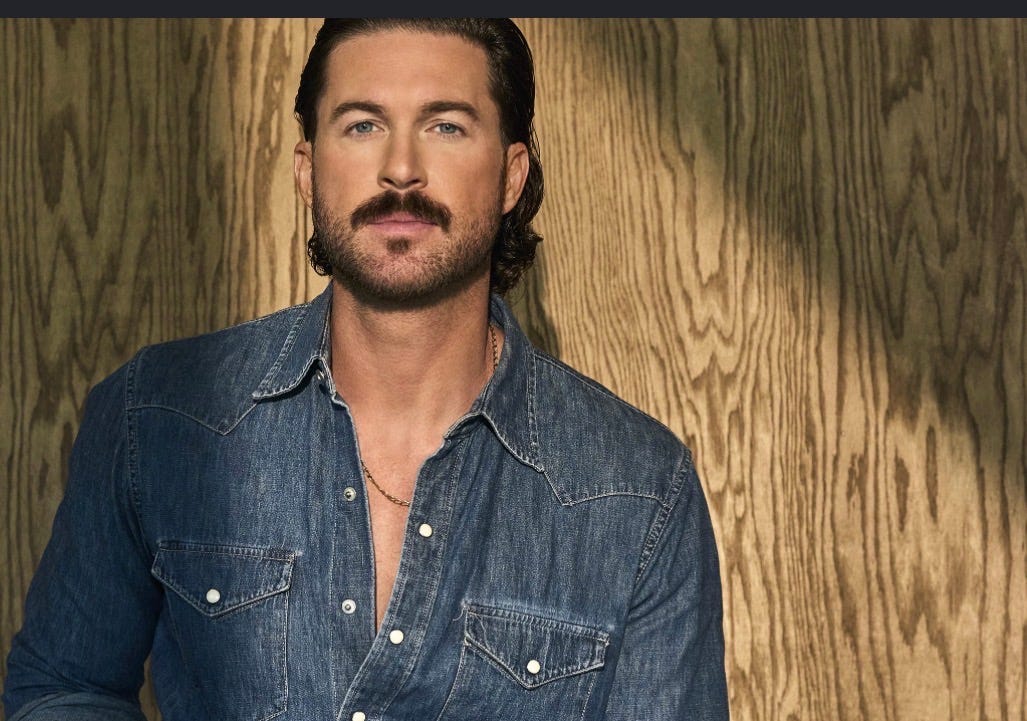
Riley Green renews with Warner Chappell Music Nashville. Long-term global publishing renewal closed June 15 on the back of the country star’s multi-platinum momentum and 2026 ACM nominations, deepening his ties to Big Machine Label Group. A signal of how Nashville majors are locking in long-cycle country catalogs heading into the next sync wave.
Record Labels
Uptown Records relaunches under Republic Collective. Industry veteran Danielle Price Sanders named President of Uptown Records and EVP of Republic Collective; Natina Nimene joins as EVP, Urban Audience & Artist Relations (June 21). The historic catalog — Mary J. Blige, Jodeci, Heavy D, Andre Harrell — re-enters active circulation at its 40th anniversary, with enormous implications for TV, period film, and brand sync over the next 24 months.

Bose launches Bose Studios and Bose Records. Announced June 17, the audio hardware company is expanding into original content and a record-label model that explicitly does not take artist masters, sales, or streaming revenue — but does retain the right to use the music in Bose commercials. CMO Jim Mollica (formerly Disney, Viacom) is leading. The studio includes a YouTube series, podcasts, live music events, and TV/film projects with reported "legendary Hollywood names." Why it matters: Brands are no longer just sponsors buying tracks for campaigns — they're becoming music-media operators. Bose's "use rights without owning masters" model is a new structural play that could reshape how brand-artist deals are scoped going forward.
Music Publishing
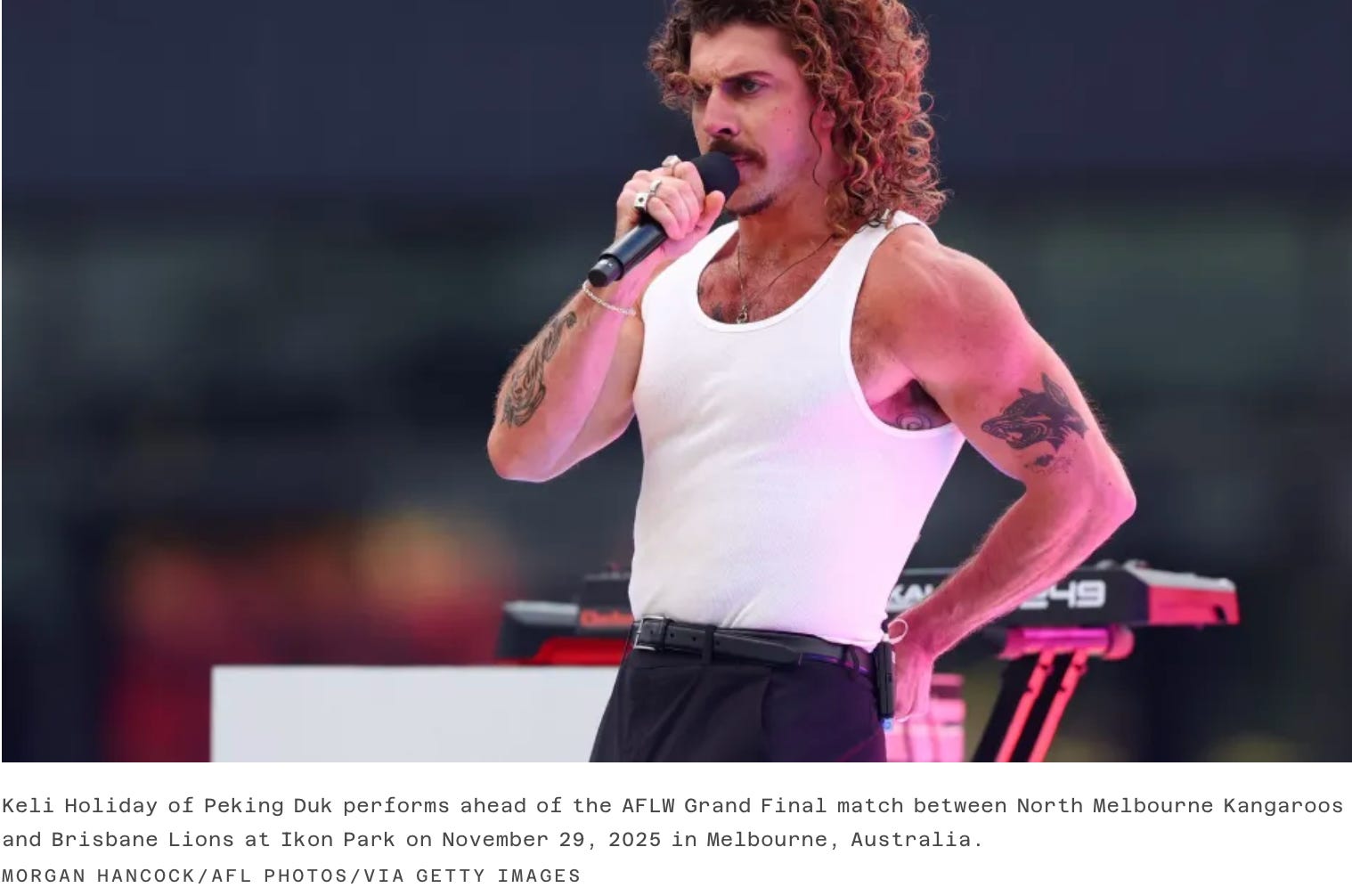
Keli Holiday signs a global admin deal with BMG. The Australian artist-producer (solo project of Peking Duk’s Adam Hyde) inked the exclusive worldwide deal today, June 23, following his viral “Dancing2” and sophomore album Capital Fiction. Sync-friendly catalog with crossover momentum — worth tracking for international film, TV, and ad placements.
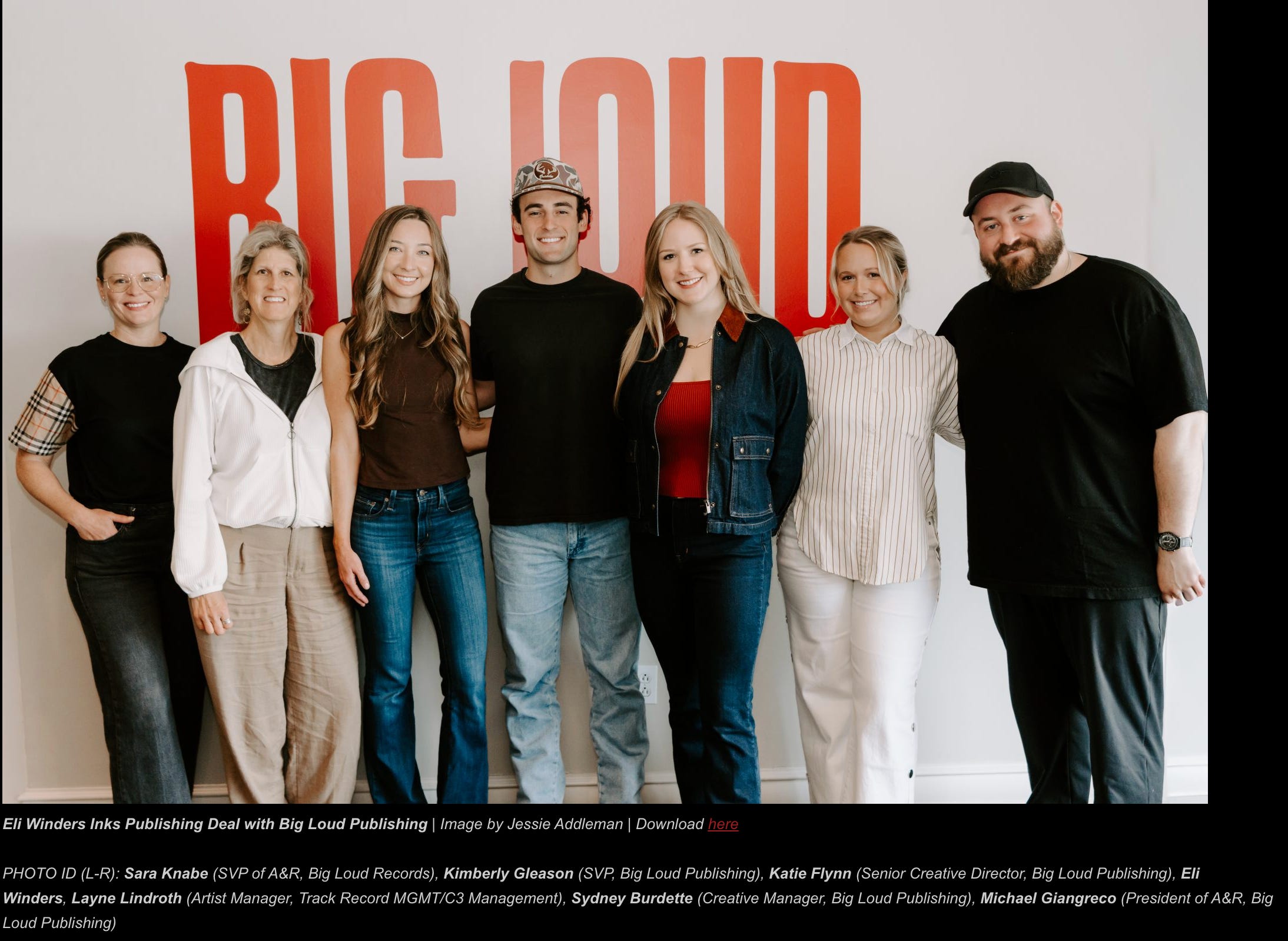
Eli Winders signs with Big Loud Publishing. The Nashville-based independent powerhouse added the songwriter-artist on June 17 to its cross-genre roster. Latest in Big Loud’s run of catalog development plays positioned for country-adjacent placements.
Horus Music launches Horus Music Publishing Signature. The independent distributor opened an invitation-only publishing administration and sync licensing tier on June 18, custom-built for film, TV, gaming, and global streaming pitching. Boutique-service positioning in a market increasingly dominated by major-publisher consolidation — a model worth watching.
AI + Technology + Legislation
CISAC launches AVR+ to modernize music tracking in film and TV. Announced June 18, the new machine-readable JSON-schema format — built on the Global Cue Sheet Standard 2.0 developed with IFPI and the Society Publisher Forum — is the first implementation-ready tool for cleaning up how cue sheets get processed across the global audiovisual industry. The launch caps six years of work to fix fragmented, inconsistent, often-incomplete cue sheet data. Why it matters: This is the backend plumbing of the entire sync economy. Better cue-sheet infrastructure means cleaner royalties, fewer missing payments, and a stronger sync back office. Context: CISAC member societies collected $13.63 billion globally in 2024 — and BMI agreed in May to acquire cue-sheet management platform Soundmouse from Orfium, with CEO Mike O’Neill calling audiovisual “one of the fastest-growing sectors of our industry.”

Meta moves to dismiss Wixen's $102M music publishing lawsuit. Meta filed June 20 to knock out Wixen Music Publishing's lawsuit over 681 works, framing it as a failed licensing negotiation rather than broad copyright misconduct. Hearing set for August 3 in the Central District of California. Why it matters: Platform licensing disputes remain one of the hottest sync-adjacent pressure points. The outcome will shape how publishers approach future negotiations with major tech platforms — and how aggressive they can be in court when those negotiations stall.

NO FAKES Act clears Senate Judiciary. The bipartisan Nurture Originals, Foster Art, and Keep Entertainment Safe Act of 2026 advanced by unanimous voice vote on June 18, establishing a new federal IP right covering digital replication of voice and visual likeness by generative AI. Backed by the RIAA. The most consequential AI-and-music legislative development of the year so far — and if it clears the full Senate and House, every sync involving a recognizable vocal identity will need explicit, federally-protected consent.
Rewind: NMPA strikes industry-wide AI licensing deals with Udio and KLAY. Worth resurfacing because the news context this week depends on it: at NMPA’s annual meeting on June 10, president and CEO David Israelite announced the first-ever industry-wide AI music licensing deals — with Udio and KLAY — establishing a 50/50 split between songs and recordings on AI training income. That’s a precedent-setting departure from the streaming model, where recordings earn more than 3x what songs do. NMPA members started reviewing the Udio agreement on June 15; the KLAY deal launches later this summer. Israelite also announced an AI Songs Summit in Nashville this fall.
Why we’re circling back: the EMMA-led coalition letter was a direct response to these deals.
Rights + Royalties
31-organization coalition draws a line on AI default opt-ins. The European Music Managers Alliance, alongside the Music Artists Coalition (chaired by Irving Azoff), Songwriters of North America and 28 others issued an open letter on June 22 protesting “default opt-in” terms in AI licensing deals being negotiated by major labels and publishers with platforms like Suno and Udio. Demands: explicit creator consent, full transparency, fair compensation splits. The letter lands directly on the heels of the NMPA’s June 10 Udio/KLAY deals — putting management and creator-side organizations in pointed dialogue with publisher-side deal-makers.
AMM Take: The publisher-side and management-side are now negotiating from different rooms on AI. Watch how that gap closes — or widens — through the back half of summer.
Events: Happening Around the World
Cannes Lions International Festival of Creativity — June 22–26, Cannes. The 73rd edition, 15,000+ delegates from 100+ countries at the Palais des Festivals. Apple joins the juries for the first time. For the sync business specifically: every major brand, agency, music-supervision house, and creative-tech platform is on the Croisette this week — Spotify Beach, Meta Beach, Amazon Port, the Canva Creative Cabana — and the brand-music briefs scoped here will shape Q3 and Q4 placements.
AMM Take: One of the most important sync weeks of the year. The advertising music briefs scoped this week become the campaigns you'll hear in the second half of 2026.
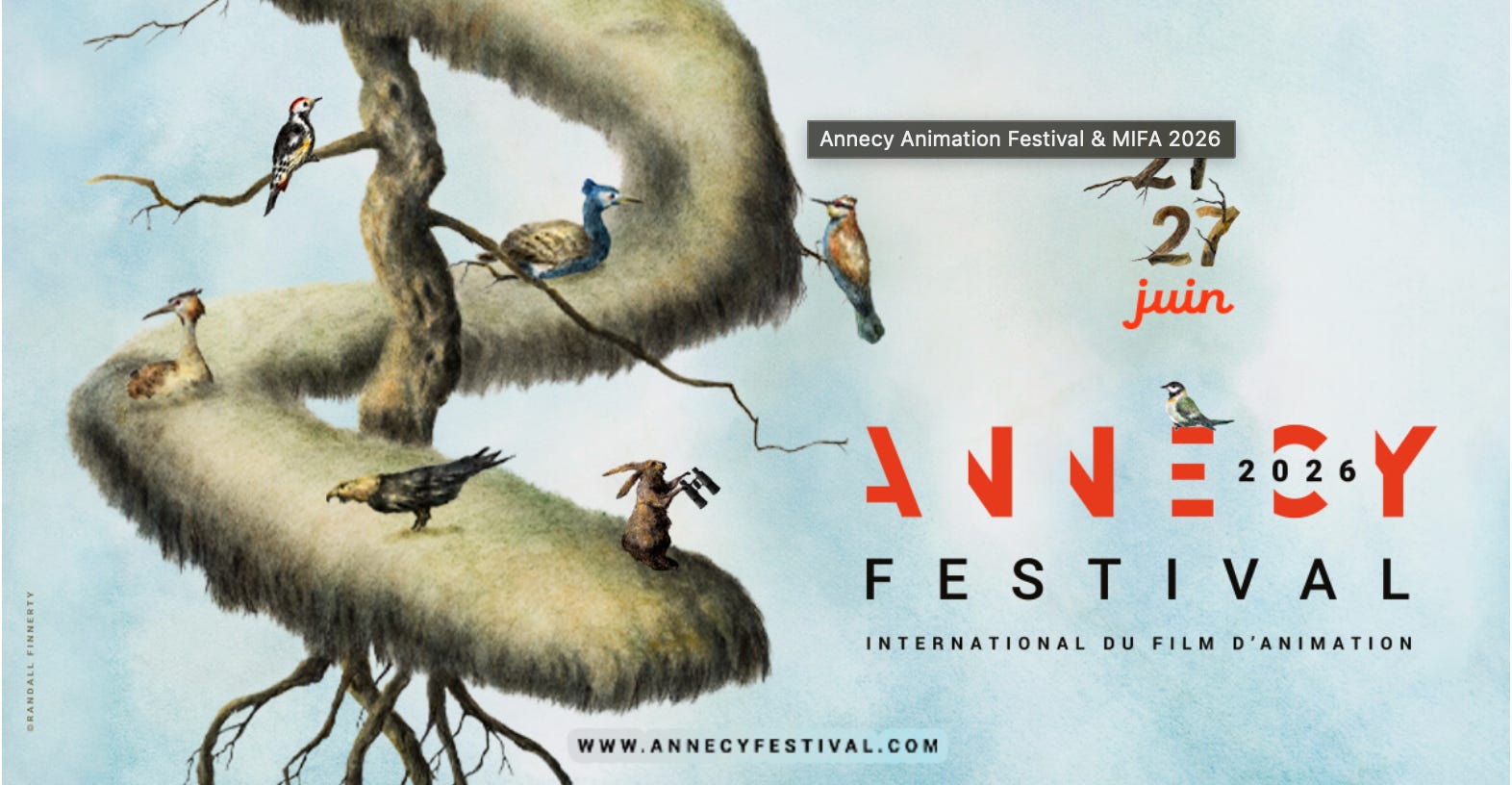
Annecy International Animation Film Festival + Mifa Market — June 21–27, Annecy, France. The 50th-anniversary edition of the world’s largest animation festival, with the Mifa market running June 23–26. Studio slates being previewed: Illumination (Minions & Monsters, opening film), Pixar (Gatto), Laika (Wildwood), Netflix (Brad Bird’s Ray Gunn; Ghostbusters: Night Shift), Warner Bros./DC (Mister Miracle, Starfire, Creature Commandos). Honorary Cristals to Mike Judge and the Brothers Quay. Also notable: a working session on the foundations for a white paper on AI in animation.
AMM Take: Animation has quietly become a top-three growth lane for screen scoring and song placement alongside gaming and themed entertainment.
Cue sheet modernization is the least glamorous item in that list and probably the most consequential. Audiovisual royalties fail at exactly that step, where a correct composition never reaches the right payer because the paperwork arrived wrong or late. Voice protection gets the headlines. Cue sheets are where the money actually goes missing.